Civita di Bagnoregio
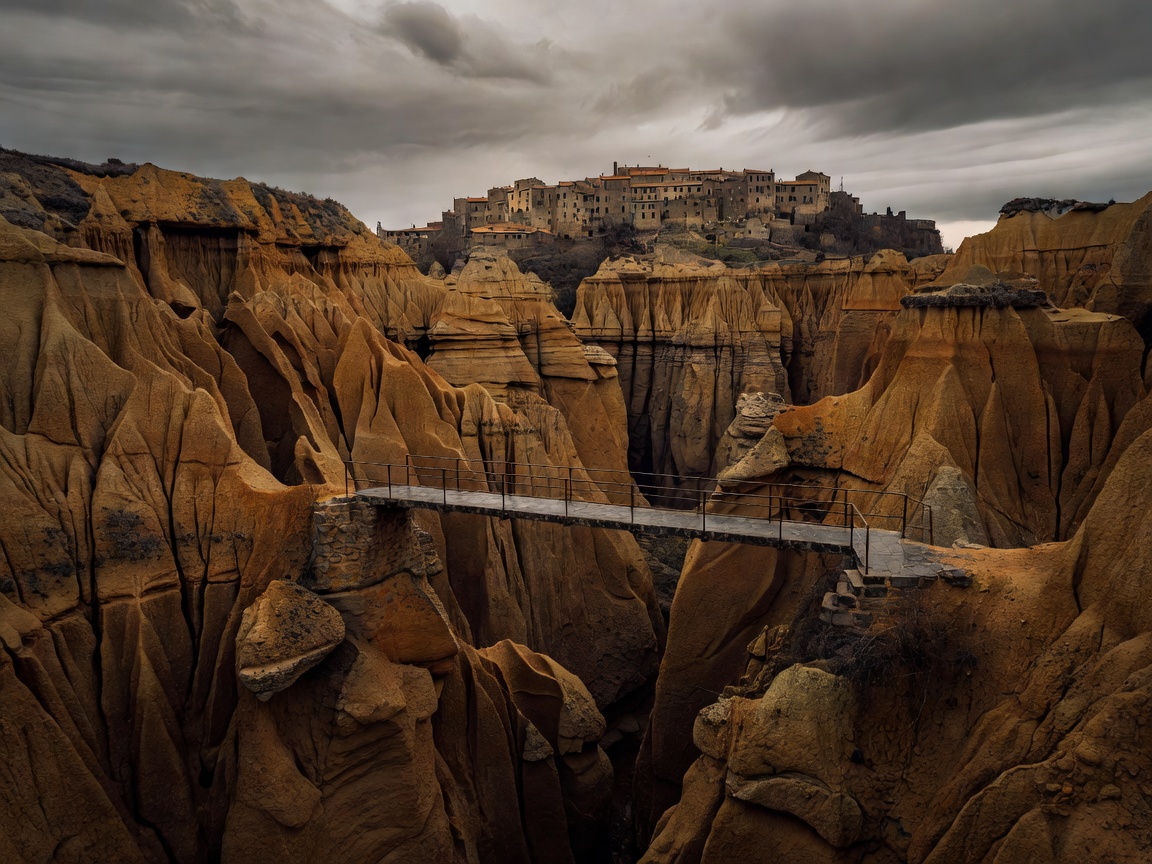
Perched atop an eroding volcanic tuff mesa in northern Lazio, this pedestrian-only citadel is reached solely by a dramatic suspension bridge overlooking the badlands.
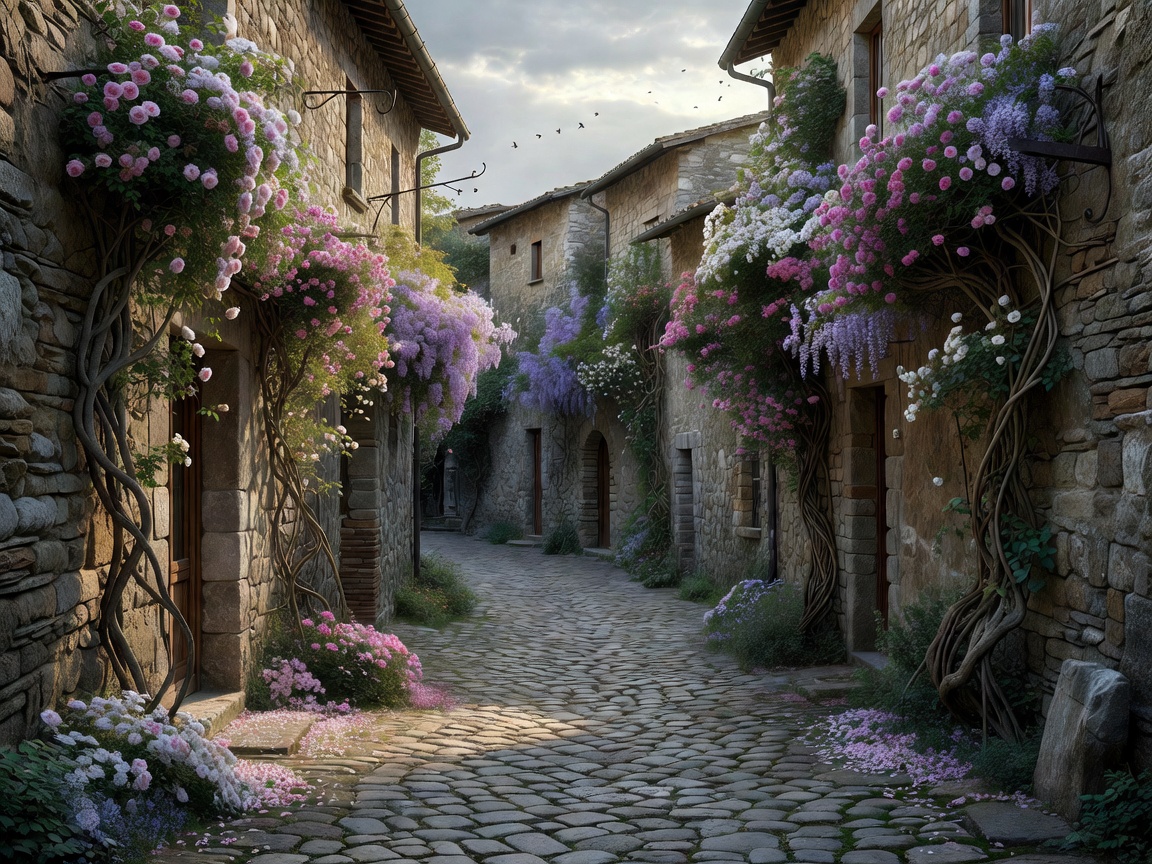
Far beyond the tour buses of Rome and Florence lie ancient hilltop enclaves sculpted by centuries of viticulture, geological isolation, and pastoral tenacity. We curate thoughtful, respectful journeys into Italy's most poetic, unhurried borghi.
Each selected village represents a distinct geography, culinary legacy, and vernacular architecture. Choose a regional guide below to review access logistics, seasonal food traditions, and preservation efforts.
Perched atop an eroding volcanic tuff mesa in northern Lazio, this pedestrian-only citadel is reached solely by a dramatic suspension bridge overlooking the badlands.
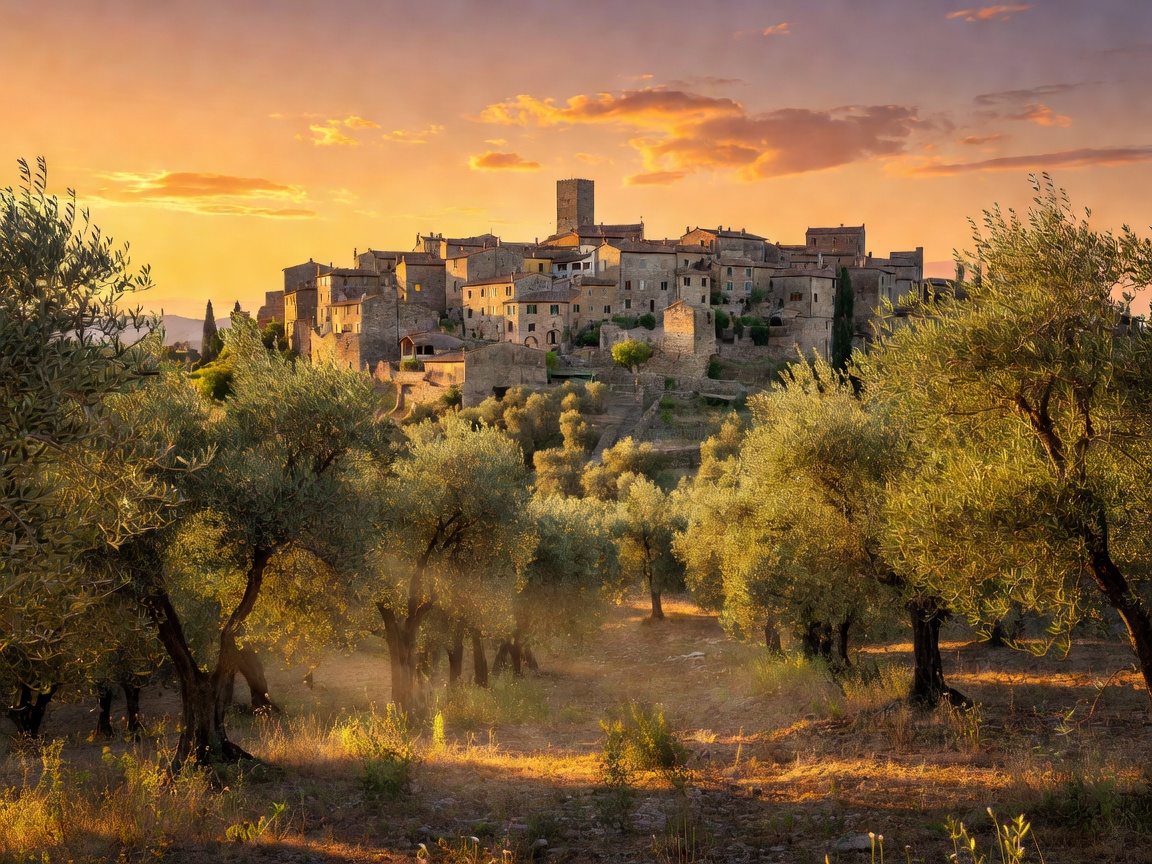
Enclosed by intact feudal ramparts above Greve in Chianti, Montefioralle preserves tight cobbled alleys, quiet cantinas, and historic olive press cellars.
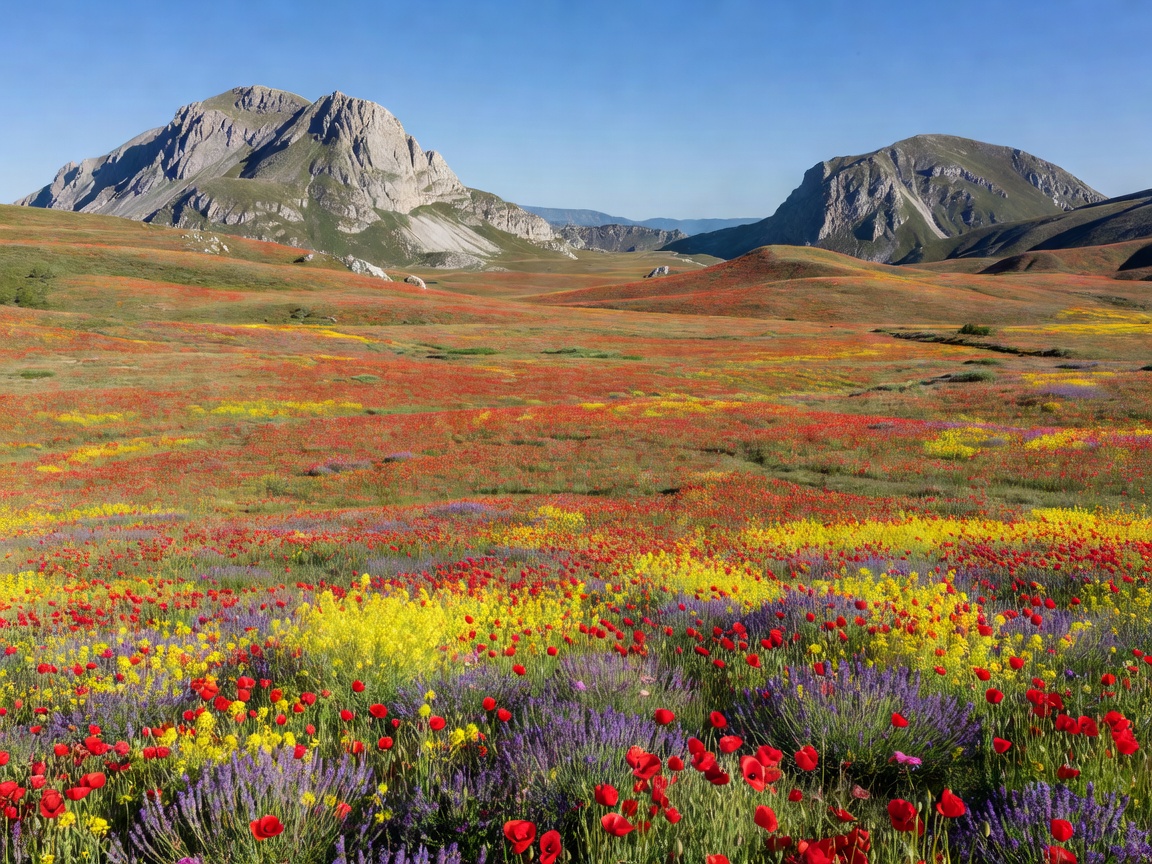
Rising 1,452 meters above sea level overlooking the Monti Sibillini, Castelluccio is famed for heirloom lentils, resilient residents, and dramatic botanical bloomings.
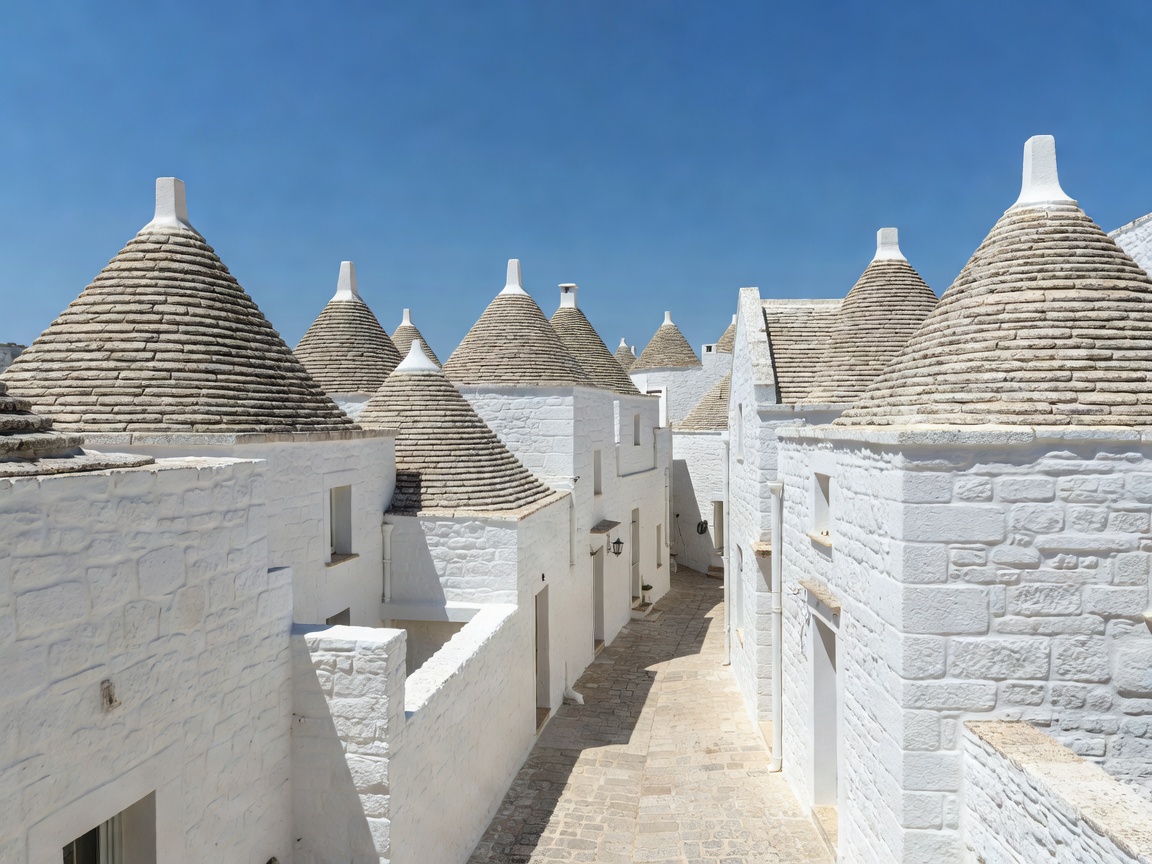
A serene circular hilltop crown in the Valle d’Itria, recognized for whitewashed façades, steep-pitched "cummerse" roofs, and crisp indigenous white wine.
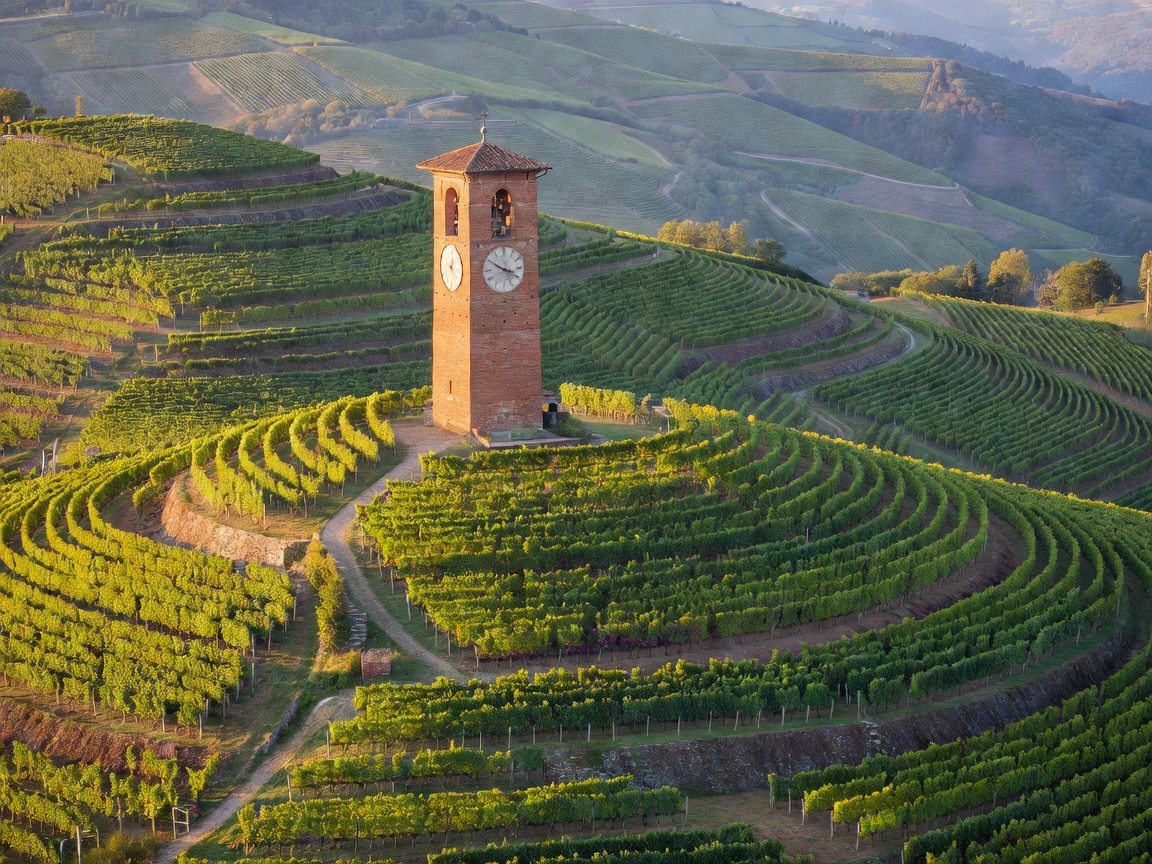
Hidden among the rolling Nebbiolo-clad Langhe hills, Neive boasts baroque palaces, clocktower vistas, and cellars producing four celebrated Italian DOCG wines.
Italy’s historical hamlets (or borghi) face severe depopulation and environmental fragilities. When travelers bypass overcrowded coastal hubs to patronize generational trattorias, artisanal stone masons, and independent oil mills, tourism becomes an instrument of conservation rather than disruption.
Our publication documents verified transit options, culinary heritage markers, and regional etiquette so your presence honors the residents who preserve these rare historic sanctums.